Introduction
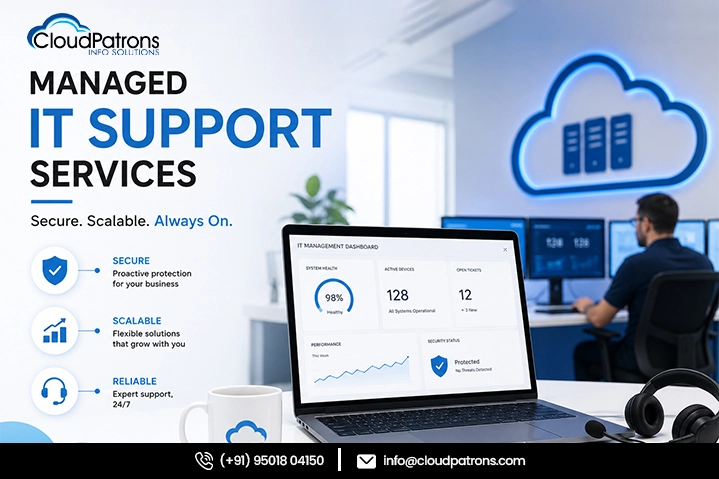
Any company that relies on modern technology must keep critical systems running without interruption. Whether we are talking about a small local business or a multinational conglomerate with offices worldwide, technology is essential. However, maintaining and protecting technology is a complex and expensive endeavor for any organization. Managed IT support services are growing in popularity among companies. They want professional help to manage and monitor their technology. This helps them avoid hiccups in daily operations.
What Are Managed IT Support Services?
In general, managed IT support is a professional service during which a company’s IT infrastructure is monitored, maintained, and secured by expert employees of another organization on a fee. Thus, the company receives guaranteed protection and technical support of its equipment around the clock. In addition, this assistance is provided on a proactive basis, which reduces the associated costs. The managed IT support market covers a wide range of services, including help desk, monitoring, network support, security, and cloud technology.
Why Businesses Need Managed IT Support Services
- IT support managed can ensure the smooth and reliable functioning of a company’s critical IT infrastructure.
- IT-related issues can be extremely costly to a business, both in direct costs and indirect ones, such as damaged reputation and the loss of clients’ trust.
- An IT support service can provide a business with the guarantee that their IT infrastructure is managed by professionals for a relatively small price.
- IT support managed services can provide companies with consistent, stable costs and a high level of service.
Finally, as the business evolves and embraces greater technological complexity, an extended IT support plan can help protect the company’s investment in cutting-edge technologies.
Core Components of Managed IT Support
There are essential components that make up managed IT support services. First, 24/7 monitoring and help desk support are critical in terms of problem diagnosis and response to incidents. Second, network and infrastructure management is equally important because it ensures the stable functioning of firewalls and servers. Finally, the protection of a company’s data and systems is the priority function of managed IT support services. Cybersecurity measures should be multi-layered and include a set of tools, such as endpoint security, multifactor authentication, and monitoring.
Key Technologies Behind Managed IT Support Services
Cloud computing is essential in providing managed IT support services because it allows IT infrastructure to be hosted outside the company, thus eliminating the need to maintain equipment in-house. The use of artificial intelligence allows for analyzing and processing data at blazing speeds, which makes business operations more efficient. IT managers have a complete view of the system and control over all devices with remote monitoring and management platforms. Automation tools, on the other hand, can perform recurring tasks at a high level of precision without human intervention.
IT Monitoring, Maintenance, and Automation
Proactive IT monitoring is the cornerstone of managed IT support services. Proactive measures allow for detecting and eliminating potential problems before they arise. In addition, automated systems perform regular maintenance of equipment, which eliminates the need for human intervention. Finally, the timely and routine maintenance of IT infrastructure and technology allows extending their service life.
Compliance and Risk Management
There are various regulatory frameworks governing the activities of many organizations, such as HIPAA for the health care industry or PCI DSS for financial organizations. In order to operate legally and maintain a good reputation, a company must comply with established standards and have the necessary security measures. Managed IT support providers help organizations deal with the constant audits and associated risks by introducing all the necessary measures and maintaining the required documentation.
How Managed IT Support Cuts Down on Downtime and Costs
Managed IT support services are cost-effective for businesses because they minimize downtime and associated losses. In addition, such services allow businesses to operate safely without suffering from the threat of cyberattacks. At the same time, organizations do not have to tie up resources in an internal IT department, which provides significant savings.
Selecting the Best IT Support and Managed Services Provider
When choosing a managed support provider, businesses should pay attention to several key components. First, it is critical to select a company that has proven technical expertise and sufficient experience in the field. Second, it is essential to agree on a clear SLA that will specify the responsibilities of both parties. Finally, the potential provider must have the necessary cybersecurity technologies and be ready to provide transparent reports on an ongoing basis.
Common Mistakes in Managed IT Support and How to Avoid Them
In most cases, businesses are slow to respond to IT problems, seeking external help only when their IT infrastructure breaks down completely. Unfortunately, such an attitude leads to serious losses since the breakdown of IT infrastructure can damage the company’s reputation and directly lead to loss of customers. Another critical mistake is selecting a provider solely based on cost since cheap solutions often turn out to be low-performing. Finally, companies should not underestimate the importance of regular data backups, as well as clearly defined SLAs.
Why Businesses Partner with Managed IT Support Providers
In general, businesses choose managed IT services because it allows them to increase efficiency while eliminating IT-related hassles. Thus, a company can focus on its core activities while technical problems are handled by experts in the field. Managed IT support providers act as strategic partners that provide high-quality support and assistance to clients, regardless of their size or complexity.
Conclusion
In conclusion, managed IT support services have become a strategic priority for many organizations. Companies use such services to ensure the stable and uninterrupted functioning of their IT infrastructure. In addition, managed IT support services allow companies to benefit from comprehensive cybersecurity measures around the clock. Finally, by relying on the expertise of professional managers, organizations reduce the costs associated with maintaining their own staff.
Cloud Patrons Info Solutions, we offer the same high-quality approach to proactive, expert-led business support to fintech, payments, and enterprise companies in more than 15+ countries. We provide round-the-clock NOC support, ensure PCI DSS compliance, and take care of cloud infrastructure and cybersecurity.
FAQ
Managed IT support typically includes 24/7 network monitoring, help desk support, cybersecurity management, cloud infrastructure management, data backup and disaster recovery, patch management, and compliance assistance, all delivered under a single service agreement.
Costs vary based on the size of your IT environment, the number of users and devices, and the scope of services required. Most providers charge a fixed monthly fee per user or device, which makes budgeting more predictable compared to traditional break-fix support.
Traditional IT support is reactive, meaning technicians step in only after something breaks. Managed IT support is proactive, using continuous monitoring and automation to catch and resolve issues before they cause downtime.
Yes. Small and mid-sized businesses often benefit the most, since managed support gives them access to enterprise-grade tools and security expertise without the cost of building an in-house IT department.
Providers help businesses meet regulatory requirements like HIPAA, PCI DSS, and GDPR by implementing proper security controls, maintaining documentation, running vulnerability assessments, and preparing audit-ready compliance reports.
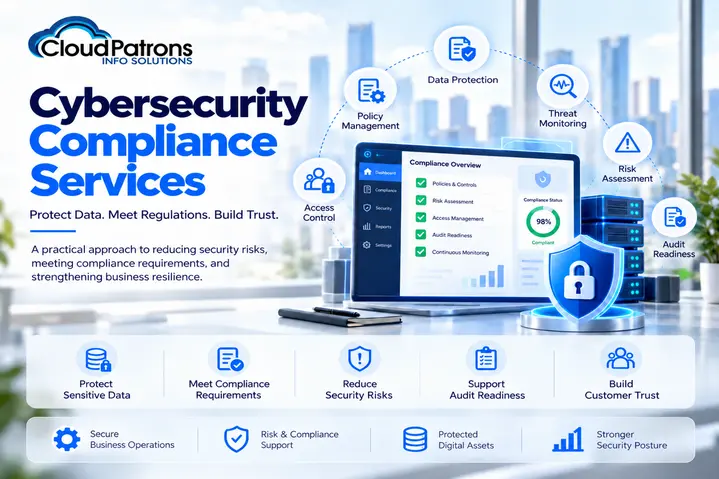
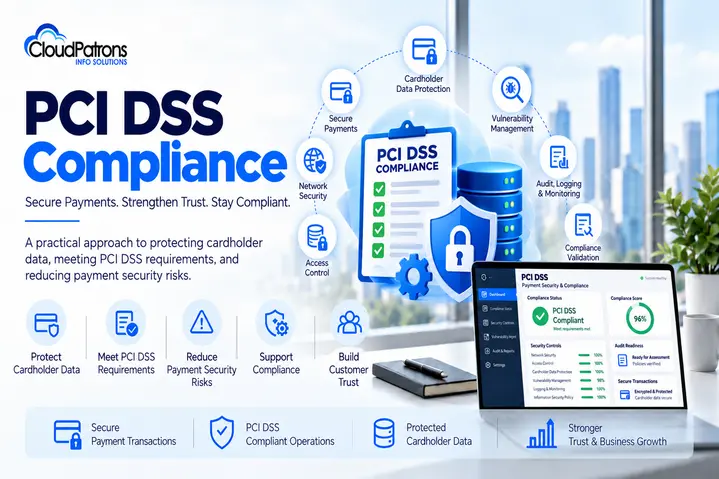
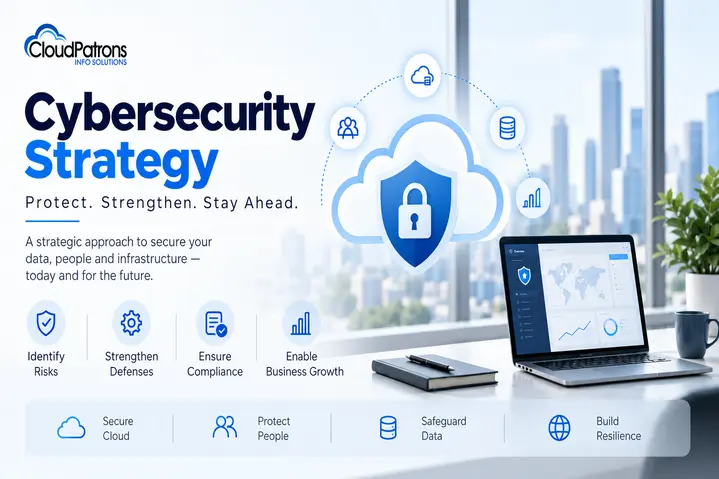
Cloud Patrons Info Solutions is a prominent support provider, offering a wide spectrum of IT services. Our expertise includes Managed Cloud & Infrastructure Support, PCI DSS Implementation & Certification, and round-the-clock NOC & IT Help Desk services for a global clientele. We excel in delivering 24/7 support through various channels, serving valued customers across the globe in industries such as FinTech, Logistics, and Software. Experience top-tier support outsourcing with us.